Three.js toolpath renderer consuming ToolpathIR for the Chestnut Labs
G-code Preview stack (design: DD-004, live-progress overlay: DD-006).
Peer dependency:
three(supported range^0.178.0) — install it alongside this package.
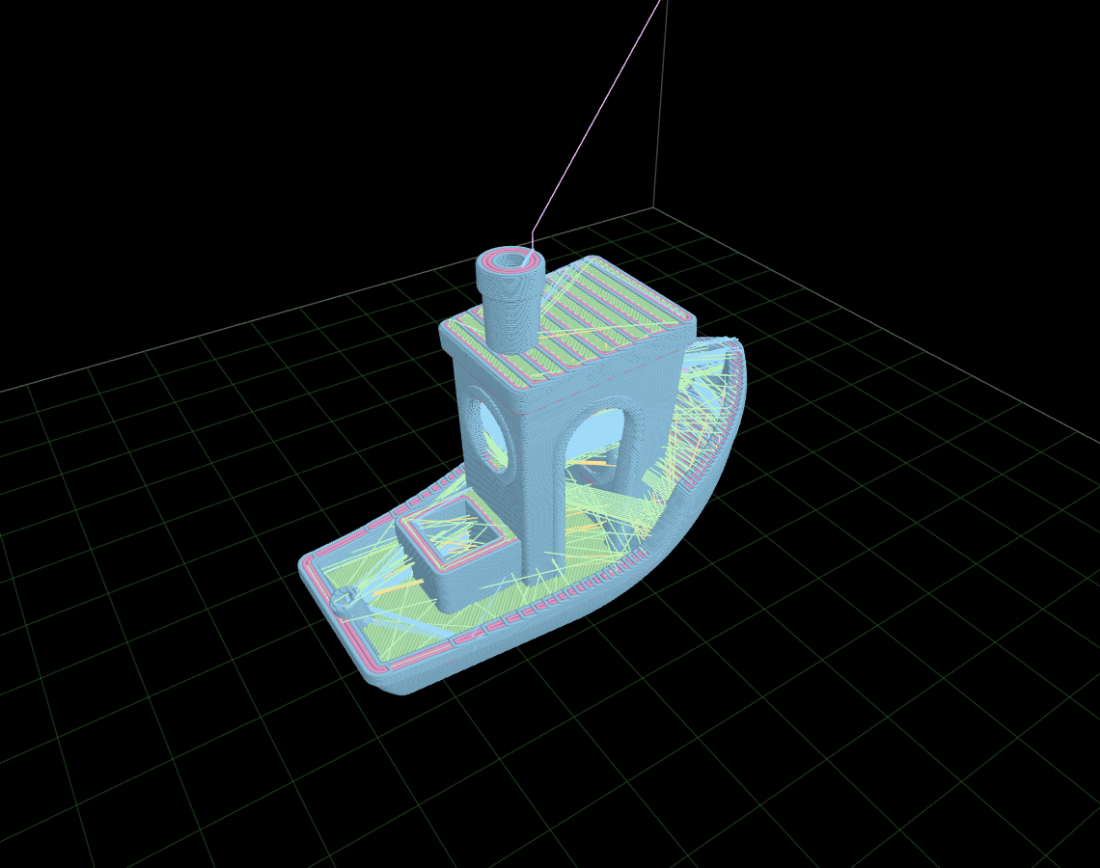
- Layer-chunked line geometry with decimation + disclosure; tube geometry with automatic quality fallback
- Layer-range clipping and segment-level scrub via draw ranges (no rebuilds)
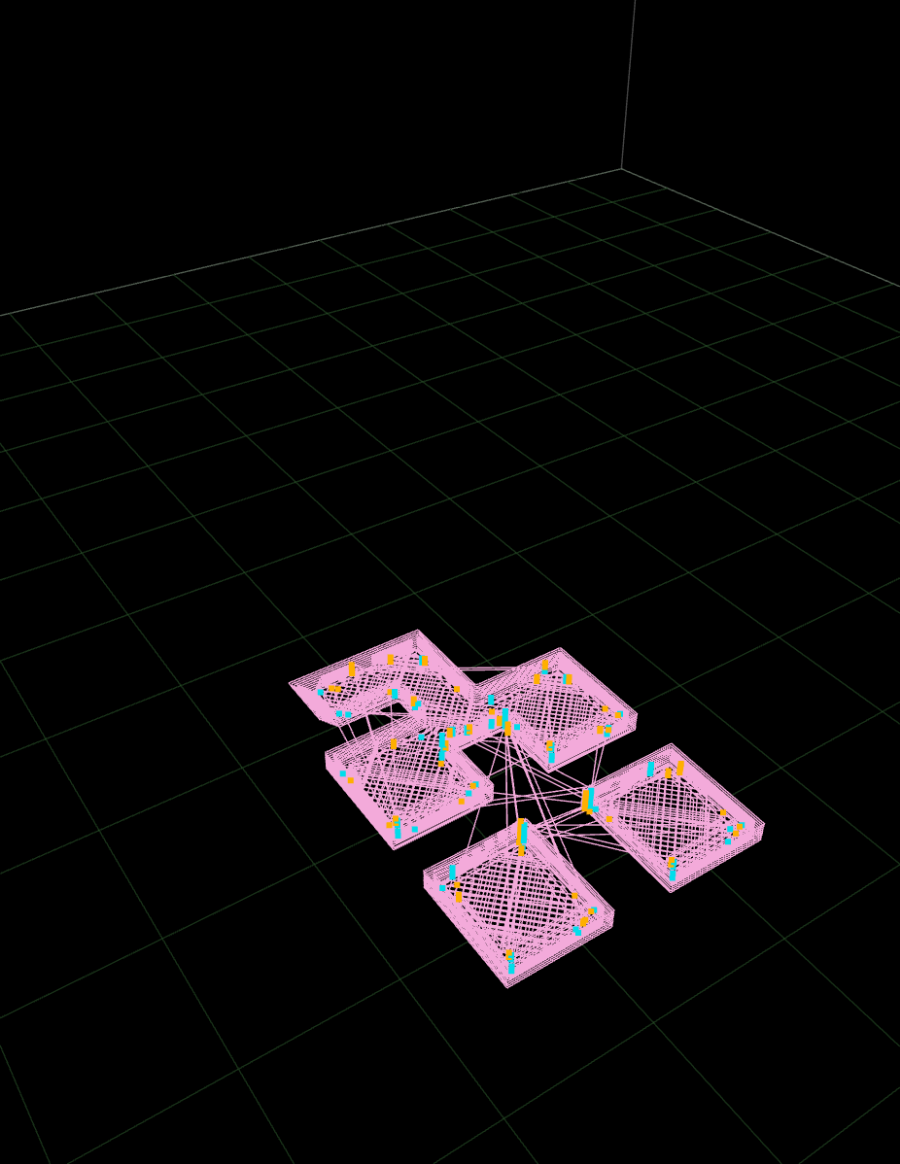
- Per-file build plates (
setBuildVolume, mismatch events, consumer-wins precedence) - DD-006 live-progress overlay: completed cut + translucent remaining-path ghost + always-on-top marker (byte-exact) or uncertainty band (approximate); user scrub always wins
- Opt-in retraction/deretraction markers (
setShowRetractions) — warm = retract, cool = unretract, clipped by the same layer/scrub window; capability-honest (shown only when the IR carries events)
- Time-budgeted build ticks (rAF with a timeout backstop — works when rAF is suspended or absent), WebGL context-loss rebuild, injectable GL backend and frame scheduler (testable & headless-shaped)
import { ToolpathRenderer } from '@chestnutlabs/gcode-renderer-three';

const renderer = new ToolpathRenderer({ canvas });
renderer.setIR(ir);           // builds progressively; 'buildComplete' event when done
renderer.setLayerRange(0, 42);
renderer.setProgress(mapped); // DD-006 MappedProgress overlay
Most applications should consume this through @chestnutlabs/gcode-preview-core
or a framework adapter, which own the parse→render lifecycle.
Part of Chestnut Labs G-code Preview · MIT